PRODUCT
 SPECIAL DEALS
 CATALOGUE AND STUDIOS
 QUOTES
 ELINA PILATES
 Blog
Blog HELP
HELP CONTACT
How to Choose a Pilates Wunda Chair for Your Home or Studio
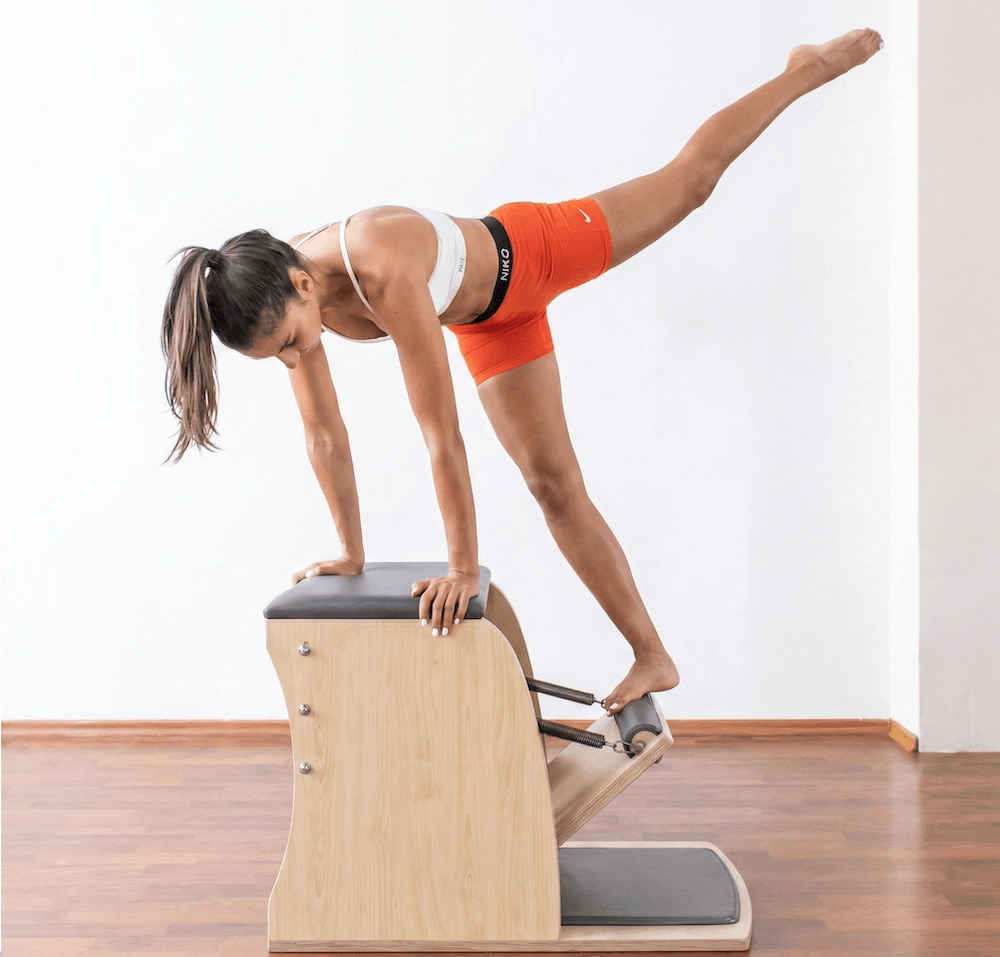
The Wunda Chair is one of the most versatile pieces of Pilates equipment you can own. Compact enough for apartment living, yet challenging enough for professional studios, this classic apparatus delivers full-body conditioning without taking up valuable floor space.
If you're considering adding a Wunda Chair to your Pilates practice in Australia, this guide covers everything you need to know—from what makes a quality chair to who benefits most from this equipment.
What Is a Wunda Chair?
The Wunda Chair was designed by Joseph Pilates in the 1940s as a multifunctional training tool. Its original design was practical—it could serve as both exercise equipment and a piece of furniture in small New York apartments.
A traditional Wunda Chair consists of a padded seat mounted above a spring-loaded pedal. The user presses down on the pedal against resistance, engaging muscles throughout the entire body. The simplicity of this design makes it effective for beginners through to advanced practitioners.
Modern versions like the Elina Pilates Classic Wunda Chair maintain the original concept while incorporating improvements in materials and construction.
Who Is the Wunda Chair Best Suited For?
Home Practitioners
The compact footprint of a Wunda Chair makes it practical for Australians training at home. Unlike a Pilates reformer, which requires dedicated space, a Wunda Chair can fit in a corner of a living room, spare bedroom, or home office.
Home users benefit from the Wunda Chair when they want structured resistance training without committing to larger equipment. It suits people who have some Pilates experience and want to progress beyond mat work.
Pilates Studios and Instructors
Professional studios across Australia use Wunda Chairs as part of their equipment rotation. The chair offers different training stimulus compared to reformers and Cadillacs, allowing instructors to create varied programming for clients.
Studio owners find Wunda Chairs economical—several chairs can fit in the floor space of one Cadillac, making them practical for group classes or circuit-style training.
Physiotherapy and Rehabilitation
Physiotherapists and rehabilitation specialists use Wunda Chairs for clients recovering from injuries. The controlled resistance and stable base allow for progressive loading during recovery, particularly for lower limb and core rehabilitation.
The ability to adjust spring tension means practitioners can start with minimal resistance and gradually increase load as clients regain strength.
Key Features to Look for in a Quality Wunda Chair
Frame Construction
The frame material affects both durability and stability. Solid hardwood frames, such as maple, provide excellent stability and longevity. The Elina Pilates Classic Wunda Chair uses solid maple wood construction, which offers natural strength and aesthetic appeal for both home and studio environments.
Metal components should be stainless steel to resist corrosion, particularly important in Australia's coastal regions where humidity can affect equipment over time.
Spring System
The spring system determines how smoothly resistance increases through each movement. Quality chairs offer multiple spring positions, allowing users to customise tension to their strength level and exercise selection.
Look for chairs with at least three spring attachment points per spring. This provides enough range to accommodate beginners through advanced practitioners across different exercises.
Pedal Design
The pedal takes significant load during exercises, so padding and grip matter. A non-slip surface prevents feet or hands from sliding during movements. High-density padding protects joints during prolonged use.
Single-pedal designs (like the traditional Wunda Chair) differ from split-pedal designs (found on Combo Chairs). Single pedals suit classical Pilates exercises, while split pedals allow each leg to work independently—useful for addressing muscle imbalances.
Upholstery Quality
Studio-grade upholstery withstands repeated use and regular cleaning. It should resist sweat absorption and be easy to wipe down between clients. For home use, durability remains important if you plan to use the chair frequently over many years.
Wunda Chair vs Combo Chair: What's the Difference?
Both chair types belong to the Pilates chair collection, but they serve different purposes.
The Classic Wunda Chair features a single pedal and minimal frame. It focuses on foundational Pilates exercises and takes up less space. This design suits practitioners who want a traditional approach and have limited room.
The Combo Chair (also called an Electric Chair or High Chair) includes handles and sometimes a higher back support. These additions allow for a wider exercise range, including movements where upper body support is needed. Studios often prefer Combo Chairs for their versatility across client populations.
If you're new to chair work, starting with a Classic Wunda Chair gives you a solid foundation. Experienced practitioners or commercial pilates studio may prefer the expanded options of a Combo Chair or Combination Wunda/Electric Chair.
Common Wunda Chair Exercises
The Wunda Chair supports dozens of exercises across seated, standing, prone, and supine positions. Here are some foundational movements that demonstrate the chair's versatility.
Footwork (Seated)
Seated on the chair with feet on the pedal, press down and control the return. This exercise targets the quadriceps, hamstrings, and calves while teaching pedal control. It's often used as a warm-up or assessment exercise.
Going Up Front
Standing facing the chair with one foot on the pedal and one on the seat, press down through the pedal foot while the standing leg supports. This challenges single-leg strength, balance, and hip stability.
Push Down (Prone)
From a plank position with hands on the floor and feet on the pedal, press the pedal down using core and hip flexor strength. This advanced exercise builds significant core stability and upper body control.
Pumping
Standing on the pedal with hands on the seat, pump the pedal using ankle and calf muscles. This exercise develops lower leg strength and proprioception.
These exercises can be modified by adjusting spring tension—lighter springs for learning technique, heavier springs for building strength.
Maintaining Your Wunda Chair
Proper maintenance extends equipment life and ensures consistent performance.
Springs should be inspected regularly and replaced approximately every two years with frequent use. Springs under constant tension gradually lose their resistance properties over time.
Upholstery cleans easily with water and a microfibre cloth. For stubborn marks, use a small amount of neutral soap diluted in water. Avoid harsh chemicals that could degrade the material.
Frame requires minimal maintenance. Wipe down periodically to remove dust and check that all bolts remain tight.
Storage in a dry environment prevents moisture damage to wood components and spring corrosion.
What to Consider Before Buying a Pilates Wunda Chair
Available Space
Measure your intended location before purchasing. A standard Wunda Chair footprint is approximately 75cm x 55cm—smaller than most armchairs. However, you need clearance around the chair for exercises that extend beyond the frame.
Your Training Goals
If you want classical Pilates training with a focus on foundational exercises, a Classic Wunda Chair provides everything you need. If you're interested in a broader exercise range or plan to work with clients who need additional support, consider a Combo Chair instead.
Budget and Warranty
Quality Pilates chairs represent a long-term investment. The Elina Pilates Classic Wunda Chair includes a 10-year warranty on the structure and 2-year warranty on other components—a sign of construction confidence and a protection for your investment.
Delivery to Australia
When purchasing Pilates equipment in Australia, confirm delivery arrangements. Elina Pilates offers free shipping to your local depot Australia-wide, making equipment accessible regardless of your location.
Getting Started with Your Wunda Chair
If you're new to chair work, consider a few sessions with an instructor before training independently. The Wunda Chair demands good body awareness and control—skills that develop faster with initial guidance.
Start with lighter spring settings and foundational exercises. Build consistency before adding resistance or attempting advanced movements. Many practitioners find that even basic exercises provide substantial challenge when performed with proper form.
Explore Pilates Chairs at Elina Pilates Australia
The Wunda Chair collection at Elina Pilates Australia includes options for every training environment. From the Classic Wunda Chair for traditional practice to Combo Chairs for expanded exercise variety, each piece is built with professional-grade materials and backed by comprehensive warranty coverage.
Browse the complete range of Pilates chairs and barrels to find equipment that matches your training goals and space requirements.
For questions about Wunda Chairs or help selecting the right equipment for your needs, contact Elina Pilates Australia at 1300 840 718 or sales@elinapilates.com.au.